Menu

Conservation & Ecosystem Restoration

Conservation is not a passive byproduct of our tours—it is an active commitment to ecological restoration and climate resilience across Uganda and Rwanda.

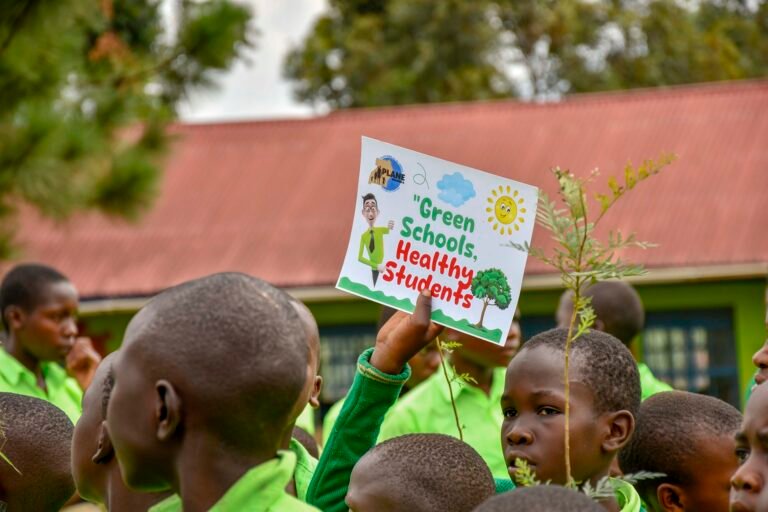
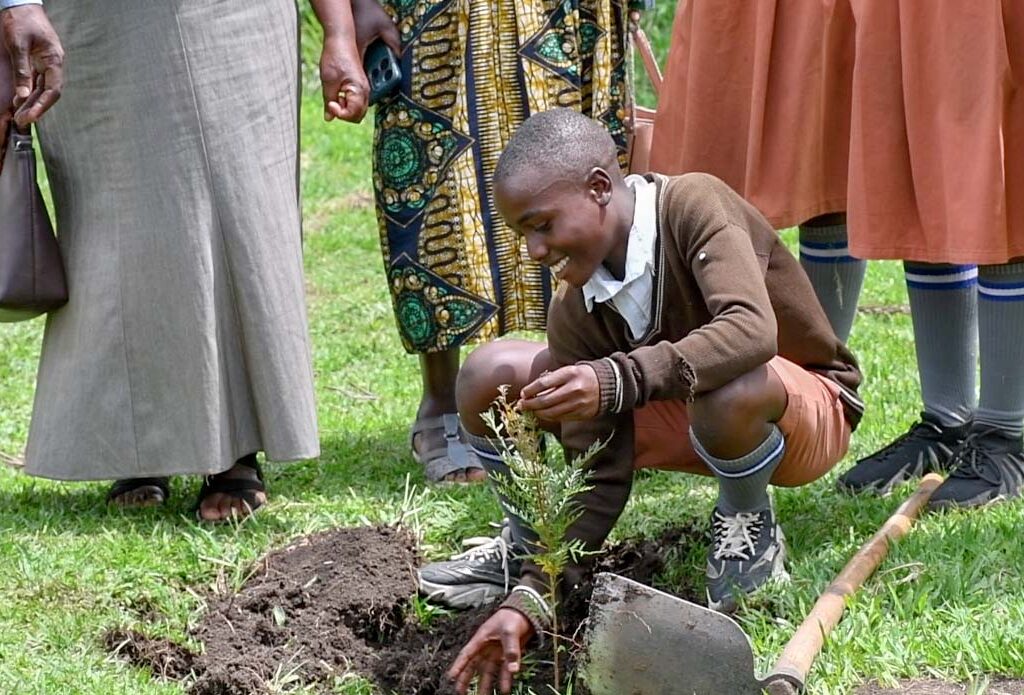
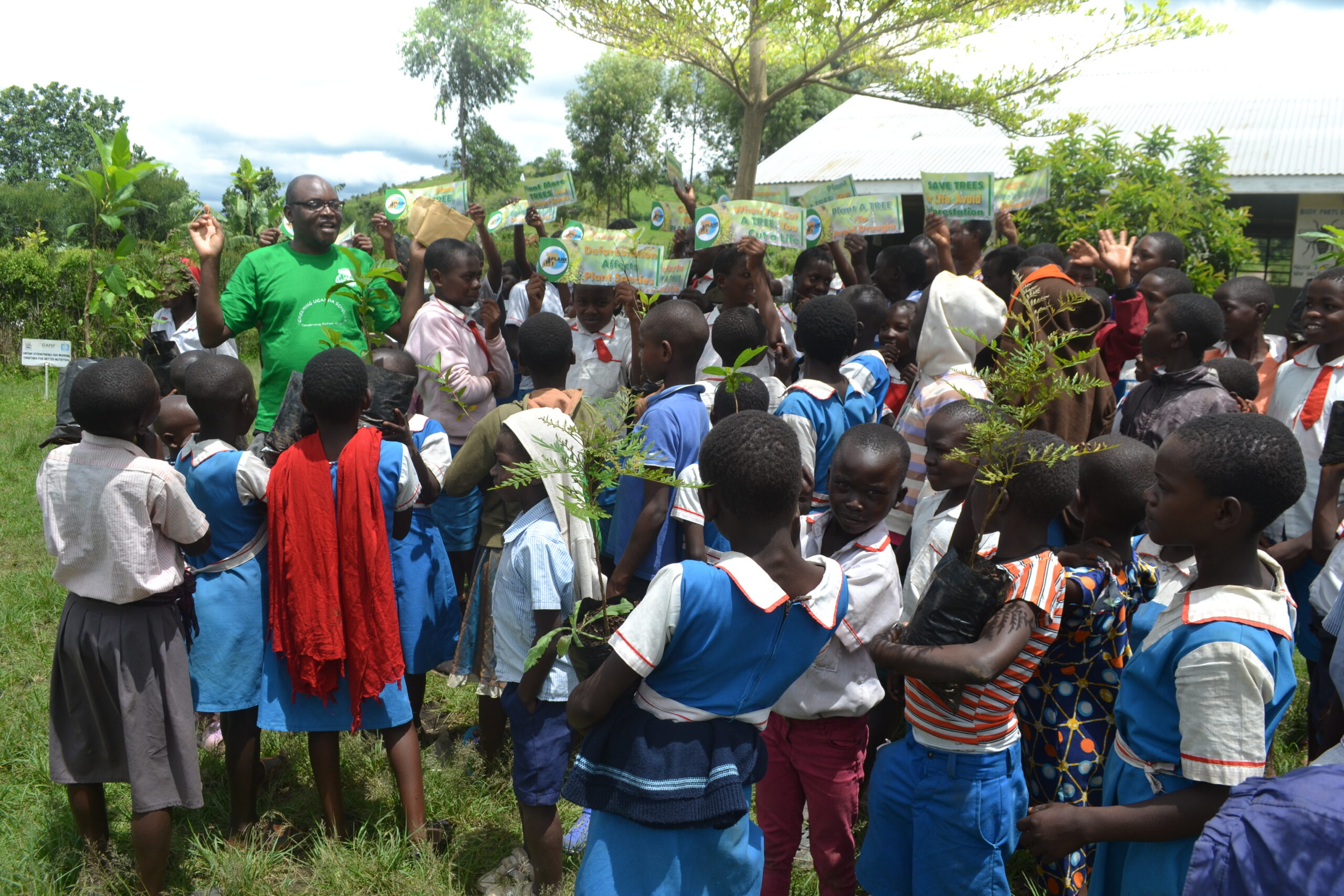
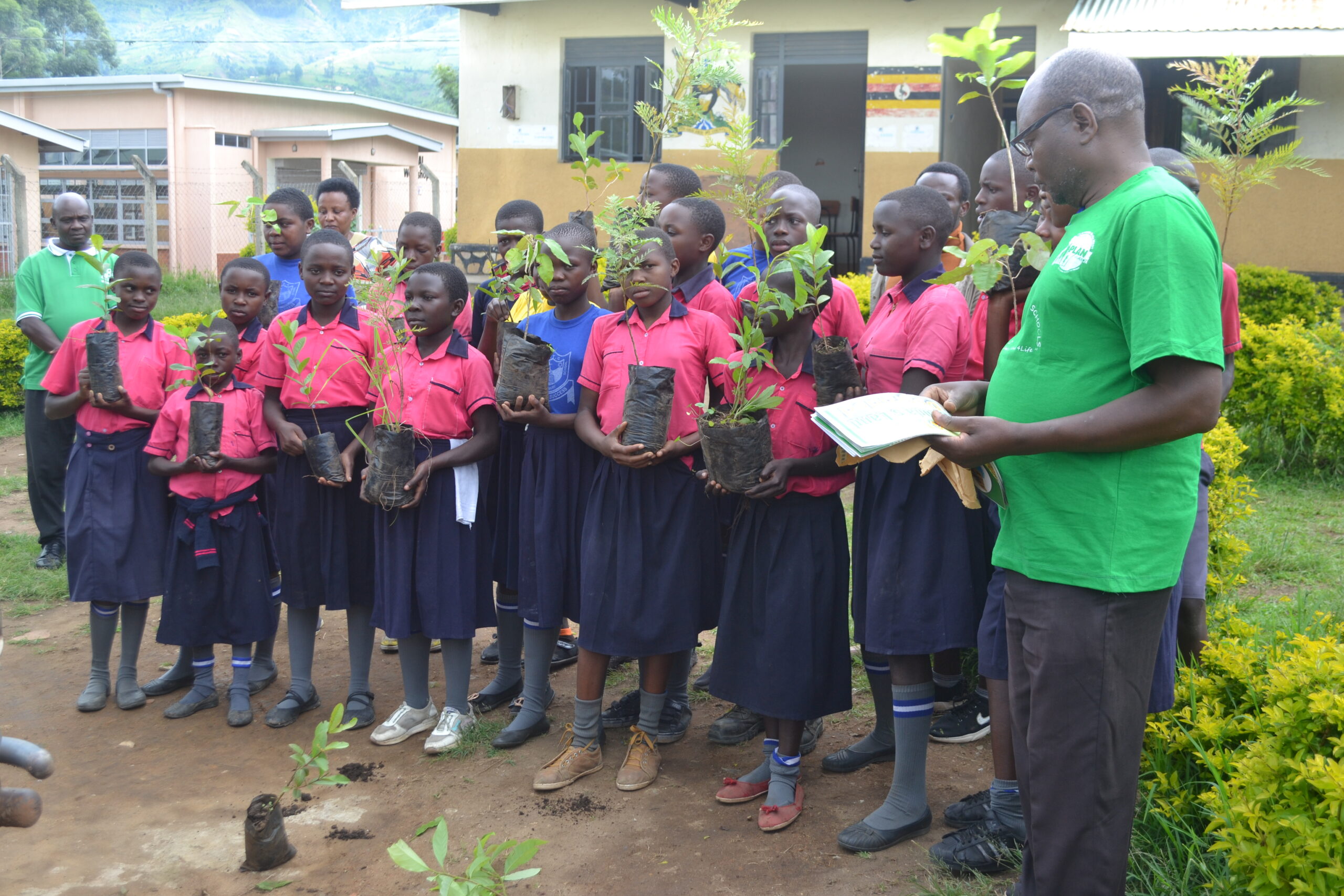
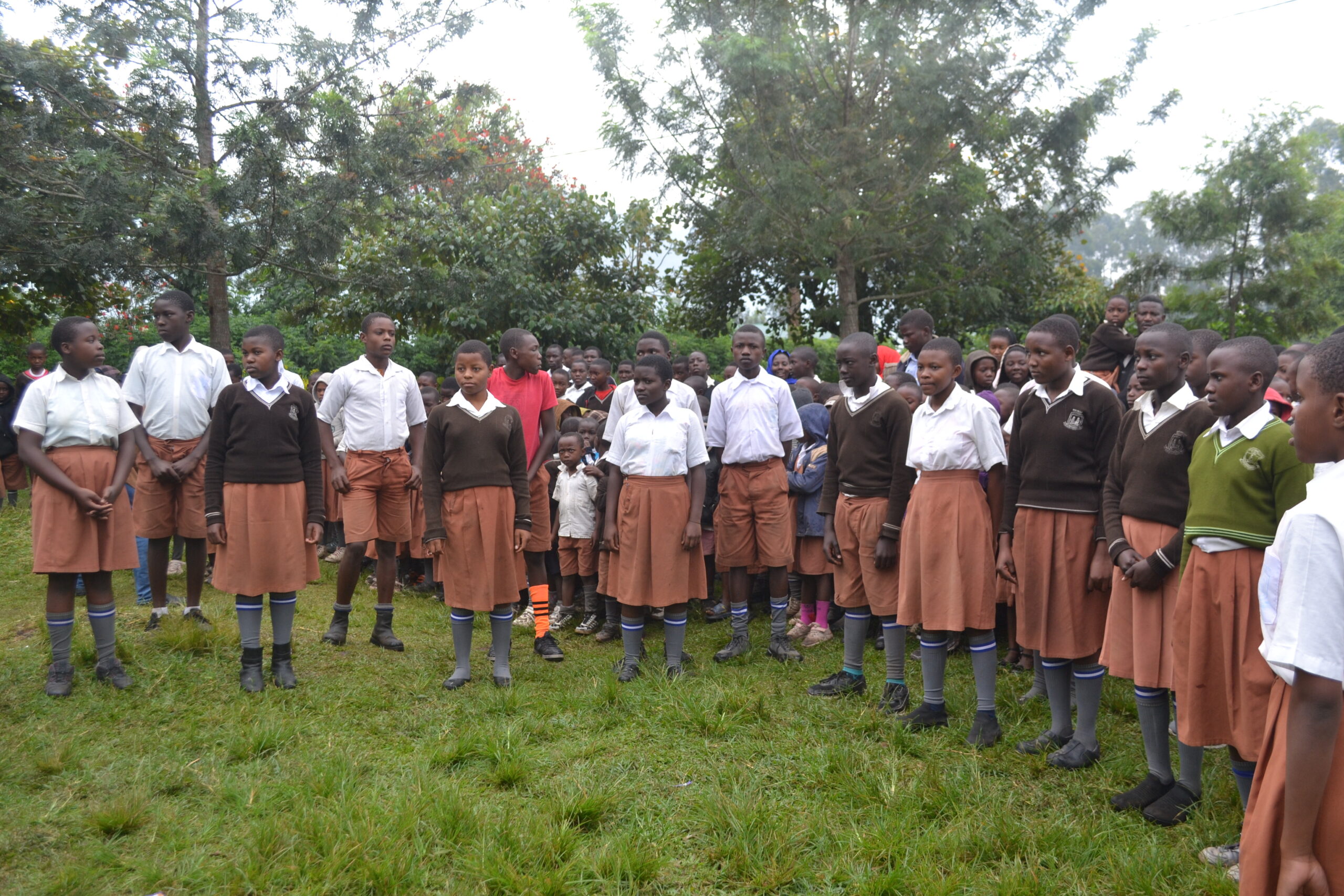
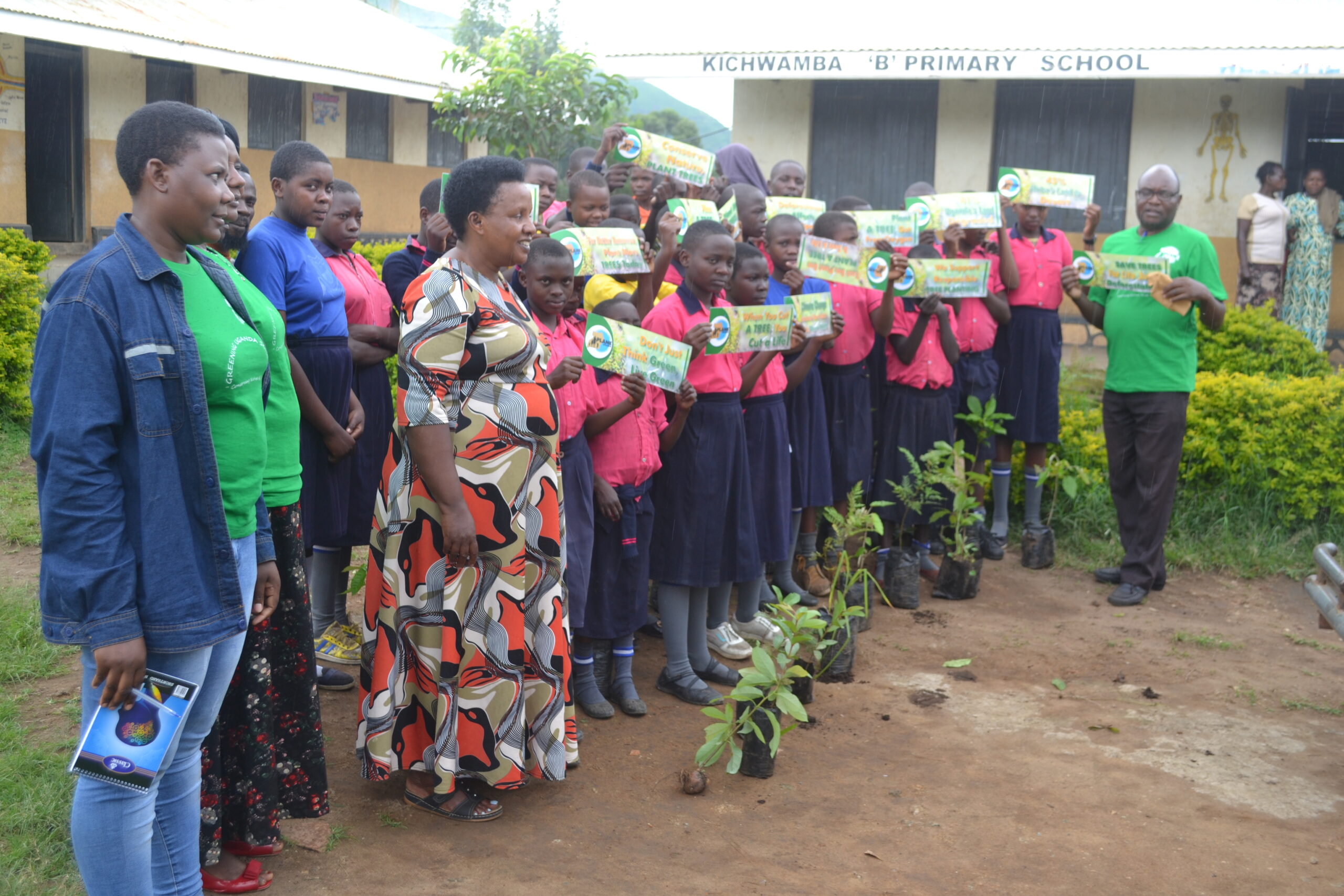
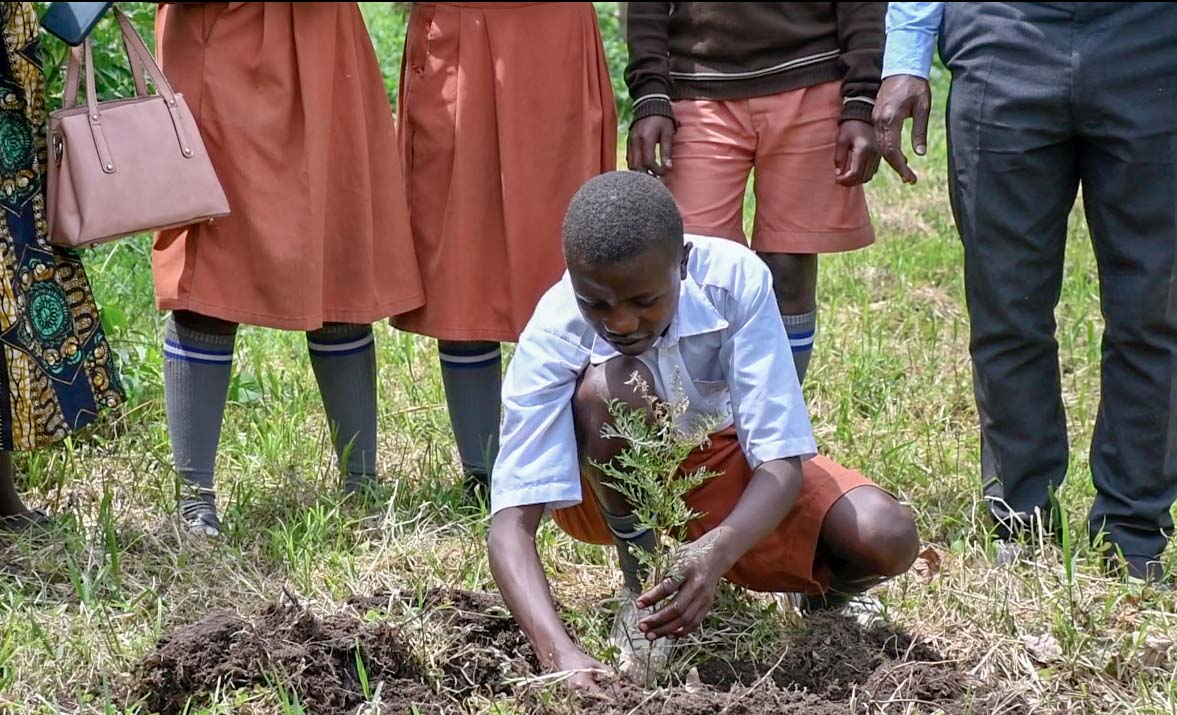
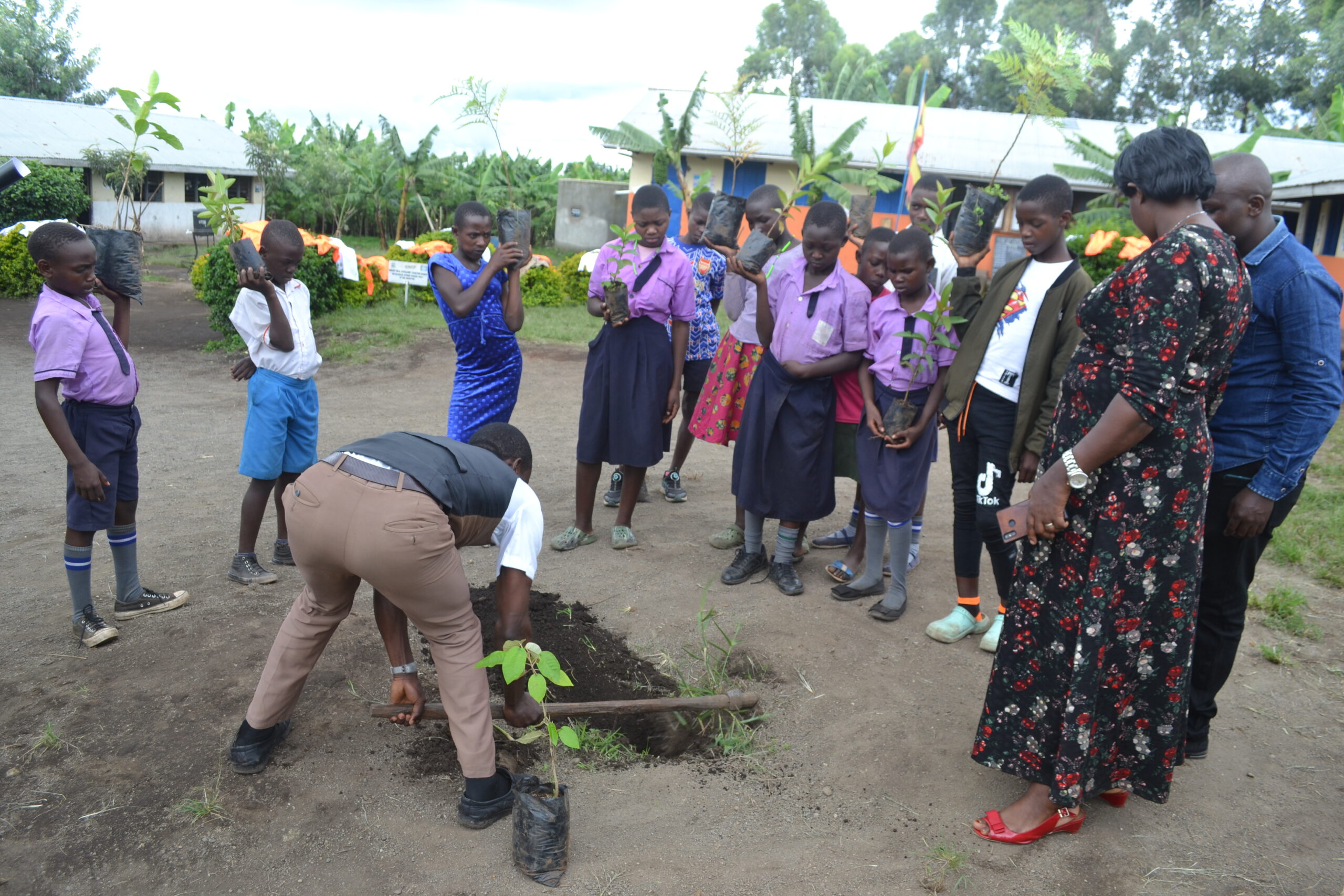
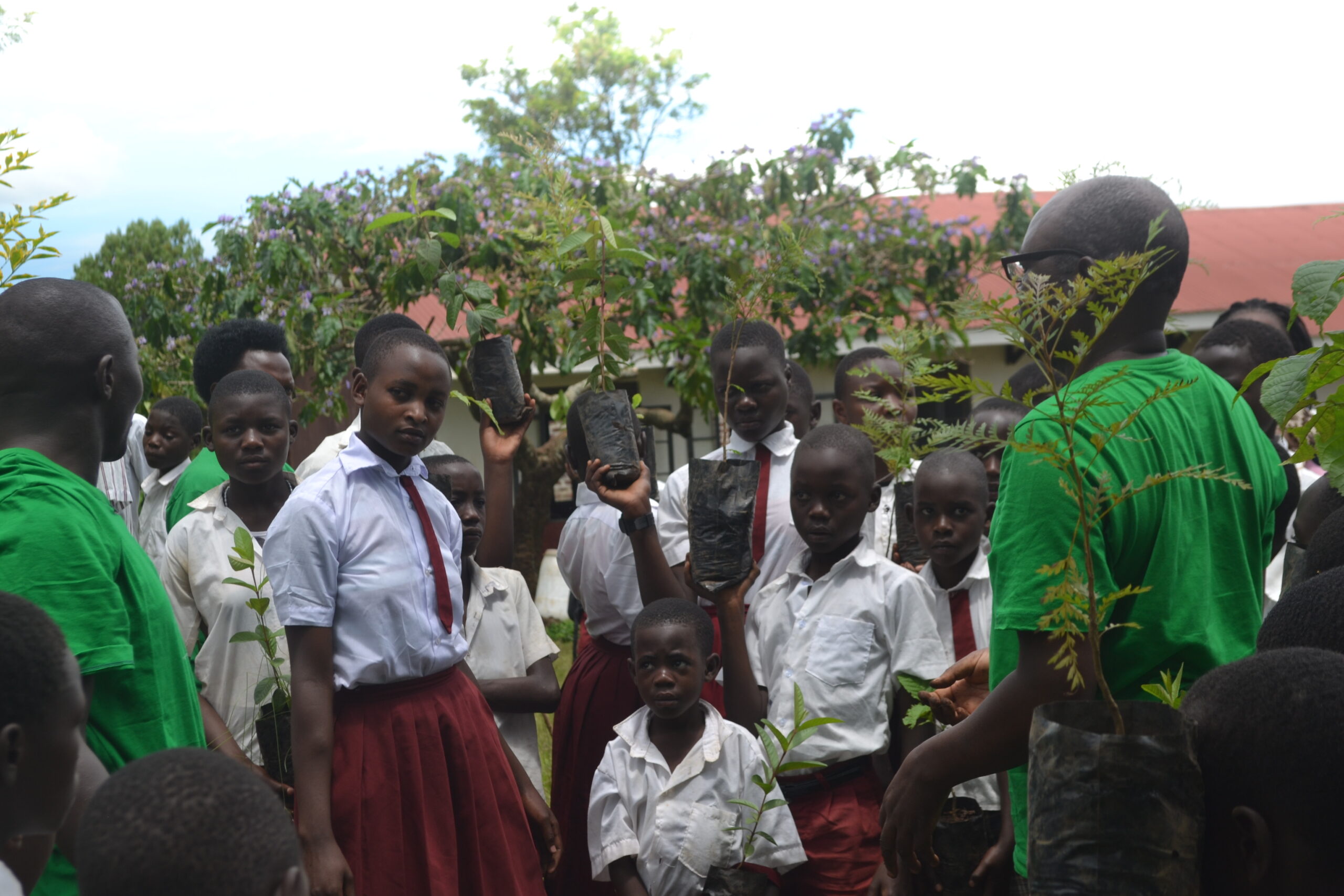
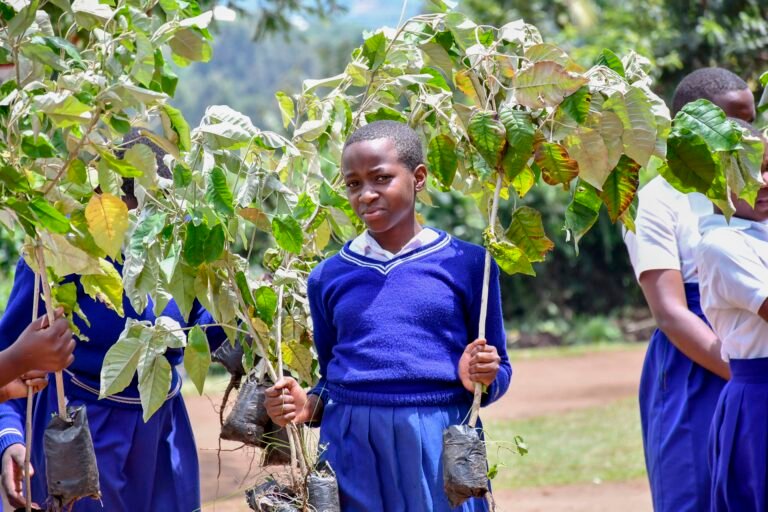
We don’t believe in short-term environmental fixes. Through our Choose Your Impact initiative, we focus on simple, long-term conservation models. By supporting hands-on tree planting that begins in local schools and extends directly out into their surrounding communities, we ensure your journey actively repairs local habitats and equips the next generation of land stewards.
The Greening Schools & Communities Campaign

Institutional Reforestation & Ecosystem Restoration

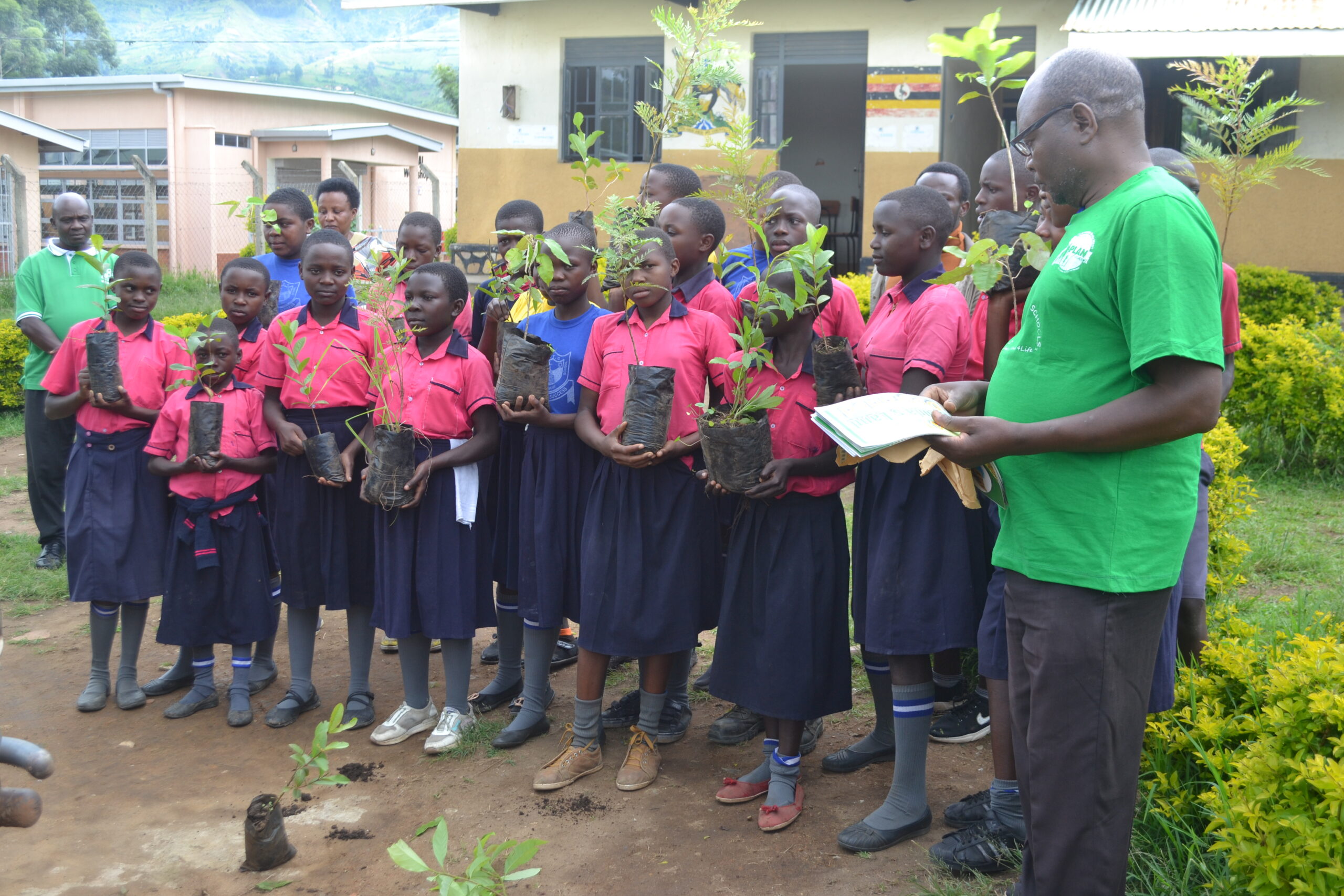
In collaboration with Platform for the Needy (PLANE) and FORT TV. Together, we execute a data-driven reforestation strategy designed to build living ecological laboratories in schoolyards and communities across Fort Portal, Kabarole, and Bunyangabu.

Our target is one million thriving trees by 2030, focusing heavily on biodiversity, survival rates, and local ownership.

Our Progress So Far:

Thanks to our travelers and local partners, as of 2024 – 2026, we have already planted over 11,521 trees that are currently thriving in schools and community spaces, laying a solid foundation for regional climate resilience.

Target Restoration Zones & Ecological Needs

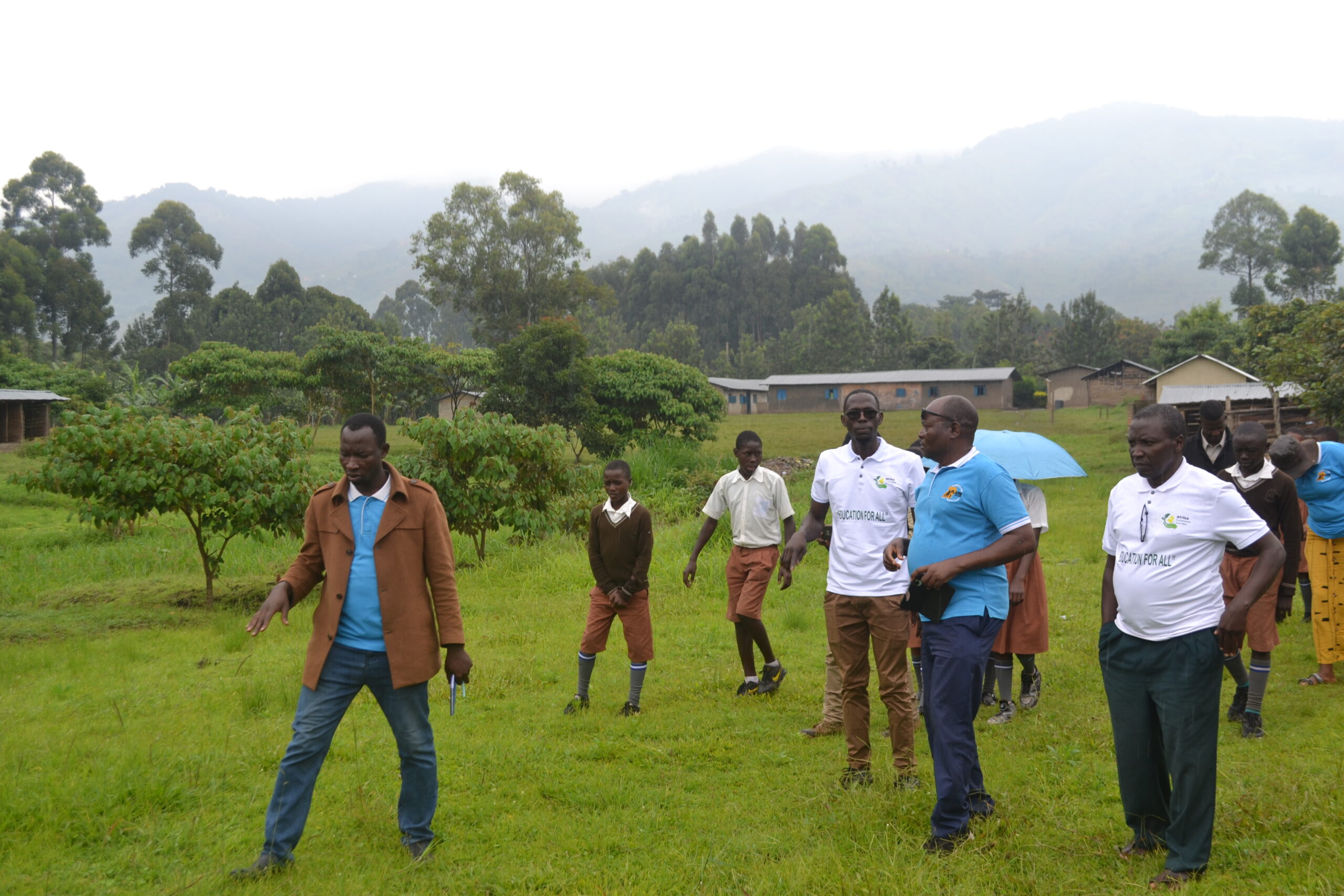
We don’t plant trees blindly. In coordination with local partners and  local environmental officers, we have surveyed and mapped specific, high-priority ecosystems facing ecological challenges. Rather than attempting to tackle them all at once, we take things slow—working on these sites step-by-step, patch by patch, as resources and booking funds become available.

Our verified target conservation zones include:

  • The Rwebikere Crater Lakes Basin: Sourcing and planting 4,000 indigenous trees to stabilize crater rims, prevent soil erosion, and protect local water quality.

  • River Sogahi Riparian Buffer (Kabende Sub-County): Allocating 7,000 indigenous tree seedlings along the riverbanks separating Kabarole and Kyenjojo districts to hold the banks together and filter agricultural runoff.

  • Magunga Ecosystem Recovery Area (Mugusu): A long-term canopy restoration goal requiring 10,000 native tree seedlings to slowly reclaim a vital ecological zone recently cleared of illegal encroachment.

  • Nzuguta Ecosystem (Kiko Town Council): Working toward establishing community-led agroforestry networks to bridge fragmented habitats and protect local biodiversity.

How your journey supports these sites:

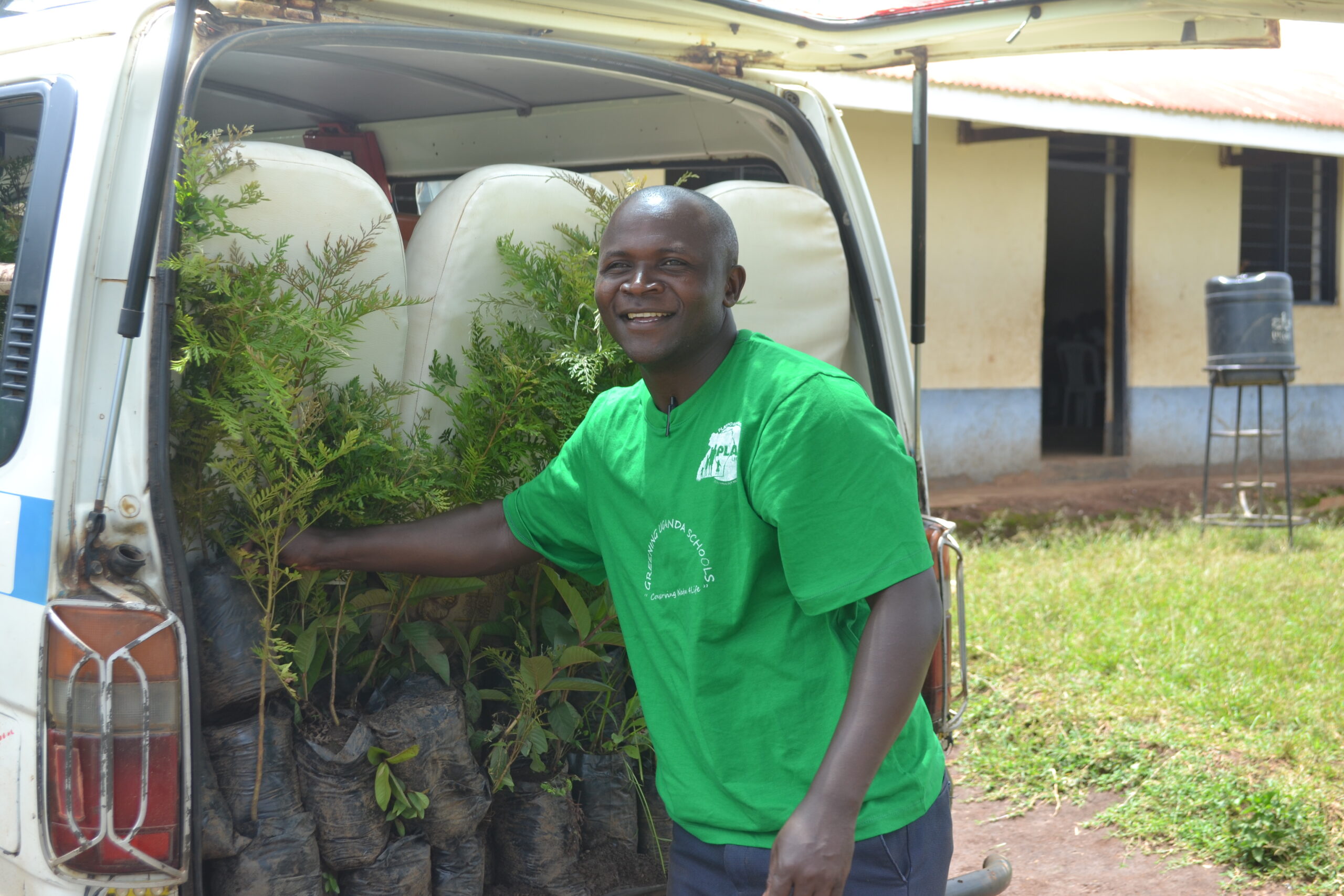
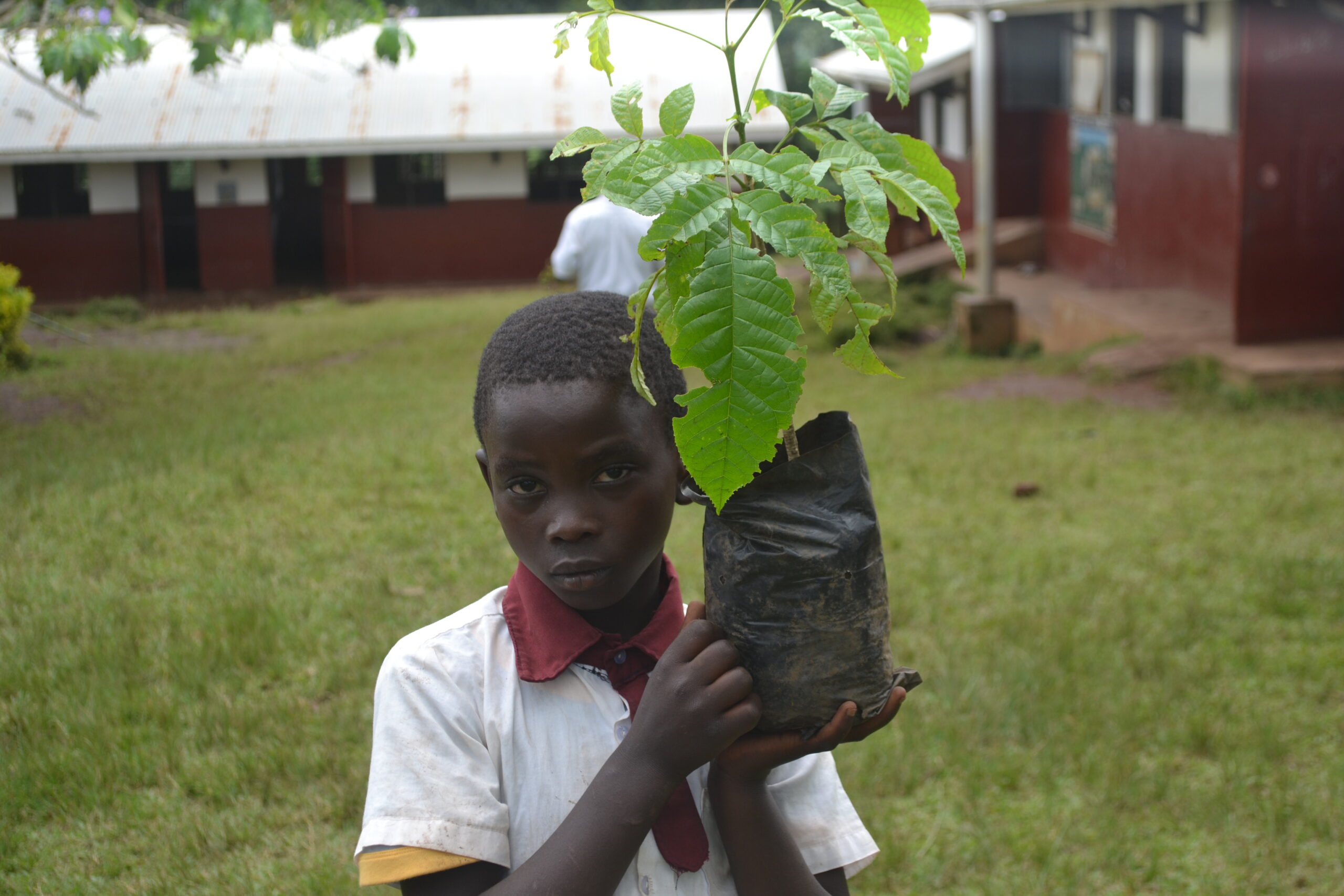
  • Indigenous Canopy Sourcing: Cultivating native tree species to restore soil biology, alongside fruit-bearing trees to enhance local community food security.

  • Micro-Irrigation & Canopy Protection: Supplying schools and local conservation committees with water-harvesting tools, organic fertilizers, and protective fencing to shield saplings from livestock.

  • Environmental Club Infrastructure: Establishing student-led climate clubs equipped with tracking tools to monitor sapling growth and soil health across our target sites.

Why Institutional Environmental Education is the Core Conservation Tool

Planting trees across our target zones is only half the battle; teaching the science of how to keep them alive is what creates a legacy. We invest in structured environmental curricula within regional schools to embed conservation directly into daily life.

  • Curriculum-Based Learning: Conducting educational lessons, interactive community storytelling sessions, and expert-led  workshops in rural schools.

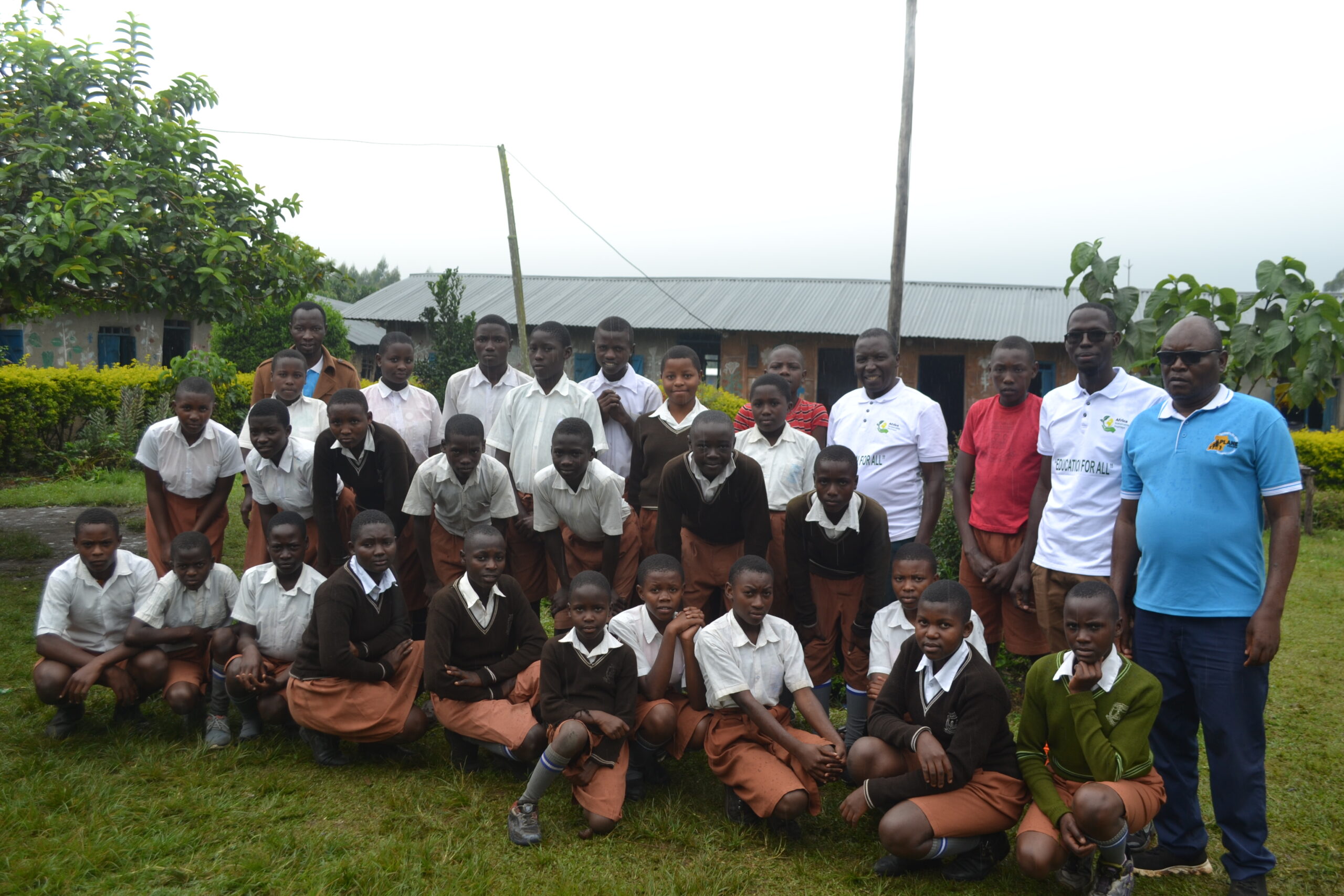
  • Youth Environmental Mentorship: Supporting teachers and school environment clubs with practical training, connecting youth with local foresters to learn real skills in tree care and nature protection.

Our Conservation Pillars for Lasting Impact

  • Targeted Habitat Restoration

    Funding the strategic deployment of native tree species across critical crater lakes, degraded riverbanks, and recovered conservation zones.

  • Institutional Environmental Education

    Equipping school environmental clubs with specialized learning resources, climate science workshops, and interactive conservation toolkits.

  • Accountable Carbon Management

    Combining physical, community-led ecological restoration with scientifically audited carbon offsetting via Sustainable Travel International.

Explore Sustainable Journeys

Lets take an adventure , have fun, and save our Planet together through Africa, wholeheartedly embracing nature and care.